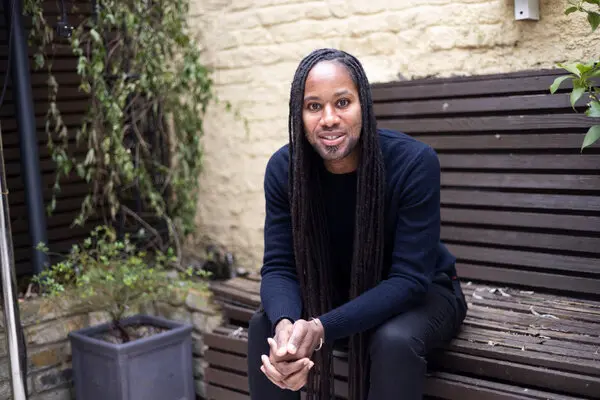

Jason Arday, the former University of Cambridge professor whose extraordinary rise through British academia was followed by intense scrutiny over allegations concerning his academic work and professional history, has died at the age of 41.
Arday was found unresponsive at a property in Battersea, south London, on Friday, August 14, 2026, and was pronounced dead at the scene. The Metropolitan Police said the death was unexpected but was not being treated as suspicious.
The circumstances surrounding his death remain under investigation, and an official cause of death has not been established in the information publicly available. Reports and online commentary have described the death as a suicide, but police have not publicly confirmed that finding. It would therefore be premature to state suicide as the cause of death.
Arday’s death came only days after he resigned from his position at Cambridge amid mounting controversy over allegations of plagiarism and questions surrounding aspects of his academic and professional history. He denied the allegations and maintained that he had been subjected to an intense campaign of scrutiny.
The controversy represented a dramatic turn in the career of a scholar who had previously been celebrated for overcoming significant challenges during his childhood and becoming one of Britain’s most prominent Black academics.
Arday became a professor at Cambridge in 2023 at the age of 37, making him the university’s youngest Black professor. His academic work focused on sociology, race, inequality, education and the experiences of under-represented communities.
His rise attracted considerable attention because of the obstacles he had described overcoming earlier in life. His story of progressing from significant childhood developmental difficulties to completing university education and eventually reaching a senior academic position had been widely portrayed as an inspirational achievement.
In recent weeks, however, allegations concerning his 2015 doctoral thesis and other academic publications prompted renewed scrutiny. Cambridge announced reviews into aspects of his appointment and credentials, while Arday resigned from his position as the controversy intensified.
The allegations included claims of substantial similarities between sections of his doctoral thesis and earlier academic work by another researcher. Arday denied plagiarism allegations, while the circumstances surrounding his academic record remained the subject of ongoing scrutiny and investigation.
His family has described the period following his Cambridge appointment as involving prolonged misinformation, abuse and harassment. In a statement released after his death, relatives expressed their grief and asked that further attacks against Arday and his family stop.
Cambridge Vice-Chancellor Deborah Prentice expressed condolences following the news, while the academic community has been left confronting the death of a scholar whose career had become the center of a highly publicized and deeply contentious debate.
Whatever the eventual findings concerning the circumstances of his death, Arday’s life and career cannot responsibly be reduced to the controversy that surrounded his final weeks. His work examined issues of race, inequality and education, and his rise through British academia had made him a significant figure in discussions about representation and diversity within universities.
The investigation into his death is continuing, while questions surrounding the academic controversy remain separate matters that should be assessed through evidence and the appropriate institutional processes.
For now, those who knew Arday are mourning a 41-year-old academic whose life moved from an extraordinary personal story of achievement to an intensely difficult final chapter. His death has left colleagues, supporters, family members and others reflecting on both his contributions to academia and the events that preceded his sudden passing.